Operations & Growth
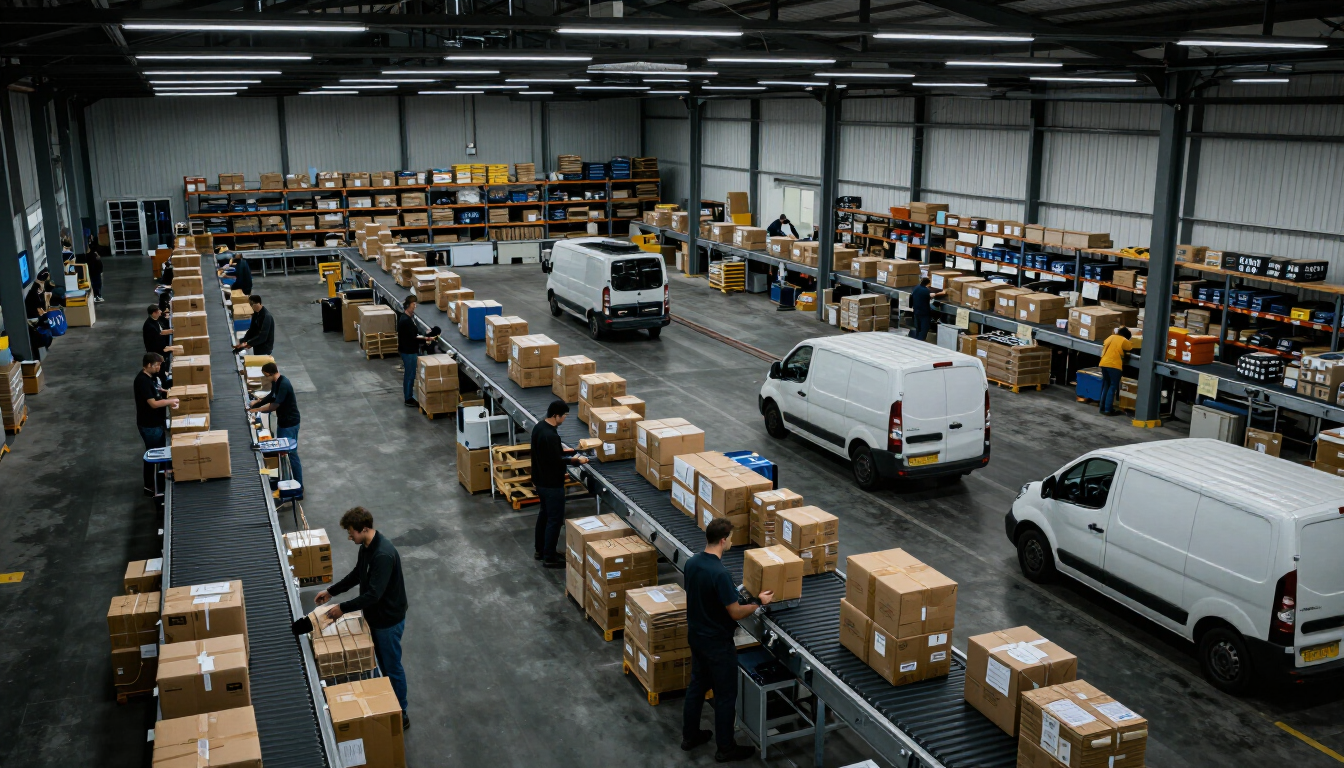
From 3,000 to Nearly 8,000 Parcels Per Month
July 2026Read Article
VGS has spent several years developing and testing a business model focused on creating long-term value. Here is what we have learned about building interconnected businesses that grow together.
When VGS began taking shape, the founding principle was straightforward: sustainable businesses are not built in isolation. They are built through networks of aligned entities that reinforce each other. What has evolved over the past several years is not a collection of separate ventures but an integrated ecosystem where each pillar — Business Development, Logistics, Media, Real Estate and Entrepreneurship — strengthens the others.
The journey began practically. In 2023, Mohamed Abdulgaadir became actively involved in AH Transport B.V., an established logistics company in the Netherlands. Rather than approaching the role as an outside consultant, the work was hands-on: optimising daily operations, strengthening internal processes and identifying sustainable growth levers. It was during this period that the foundational principles of the VGS methodology were stress-tested in real conditions.
The insight that emerged from this operational phase was that most small and medium enterprises in the Netherlands face a common set of challenges: fragmented service providers, lack of integrated strategic support and limited access to networks that can genuinely accelerate growth. The VGS model addresses these gaps not by offering isolated services but by creating an environment where businesses share infrastructure, knowledge and opportunity.
By January 2026, AH Logistiek B.V. had been established to support the expanding transport and logistics operations. Both entities joined a growing ecosystem that had by this point formalized five interconnected pillars. This was not a planned corporate restructure — it was the natural result of solving real operational problems and recognising patterns that could be systematised.
Traditional business models are built around a single product or service. The ecosystem model starts from a different premise: value compounds when businesses operate within a shared framework of resources, relationships and strategic intent. A logistics company within the VGS ecosystem does not simply move packages. It generates operational data that informs real estate site selection. It builds client relationships that open doors for media and content partnerships. It creates employment pipelines that feed the entrepreneur development programmes.
This compounding effect is difficult to engineer from scratch. It emerges from genuine operational depth. By 2026, AH Transport was processing more than 6,500 parcels per month — a figure that climbed toward 7,800 in July — not because of aggressive sales campaigns but because the operational improvements that VGS introduced created a better product at every customer touchpoint.
The current focus across all VGS verticals is optimisation and standardisation. This means documenting processes that have been proven in practice, creating replicable systems that do not depend on individual heroics, and building institutional knowledge that can scale into new markets and geographies.
The Entrepreneur Hub development, which began in August 2026, is a direct expression of this philosophy. Rather than building another co-working space, VGS is designing a physical environment where entrepreneurs get embedded access to content creation, photography, business strategy, marketing and administrative support — the exact services that most early-stage businesses outsource inefficiently or simply go without.
Expansion into Dubai and the UAE, which progressed meaningfully in August 2026 with the completion of the first international real estate investment, is built on the same logic. VGS is not entering new markets with concepts. It is entering with frameworks that have been tested, refined and measurably validated in the Netherlands.
The measure of this model's success is not the number of entities in the ecosystem. It is the quality of the businesses those entities support, the sustainability of the economic value they generate, and the opportunities they create for entrepreneurs who would otherwise navigate these challenges alone.
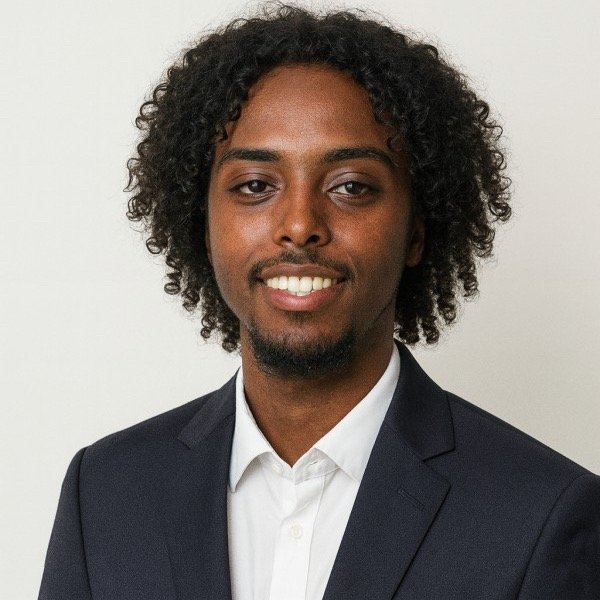
Mohamed Abdulgaadir
Founder & CEO, VGS Group